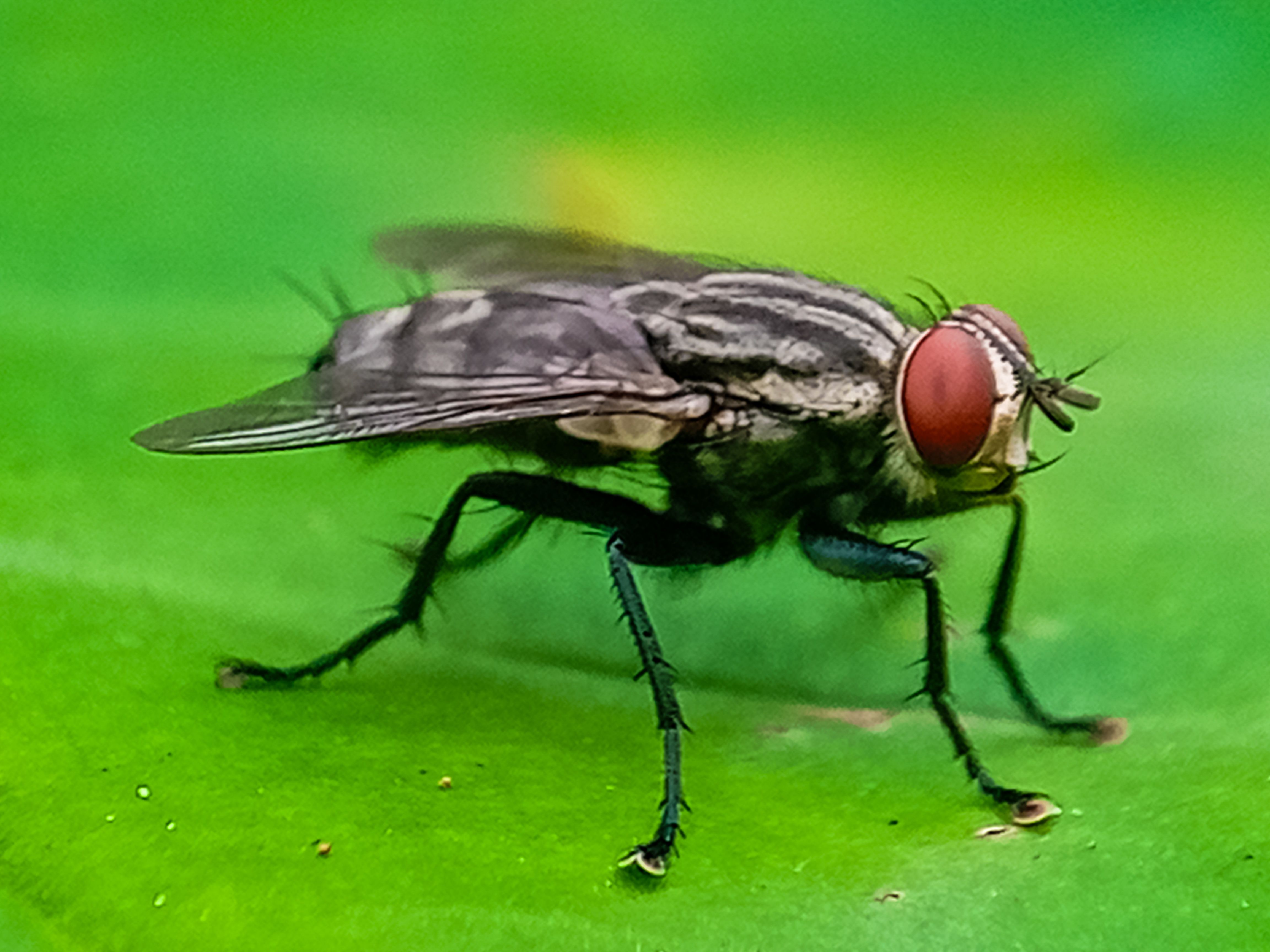
A concise Q&A for veterinarians summarizing the identification, reporting, treatment, prevention, and practical next steps as the New World screwworm approaches the US border.
New World screwworm (NWS; Cochliomyia hominivorax) is once again an active threat in the Americas. Cases in Mexico have increased, and detections are approaching the US border. Meanwhile, federal agencies and veterinary groups have released guidance for clinicians on identification, laboratory submission, reporting, and therapeutic options.
Below are the most common and practical questions clinicians are asking, with concise answers and links to supporting resources and the US Department of Agriculture (USDA)/Centers for Disease Control and Prevention (CDC) guidance where appropriate.
What is NWS, and how does it present clinically?
NWS larvae cause primary myiasis by burrowing into and feeding on living tissue. Affected animals often present with foul-smelling, expanding wounds with visible, active maggots. Mucosal infestations of the nose, mouth, or ears can also occur and are especially destructive. For clinicians, larvae are typically oriented head-down (posterior spiracles exposed), and wounds can expand quickly if not treated.1
According to recent federal and dvm360 reports, NWS detections in Mexico have surged, with cases now detected within approximately 70 miles of the US border. The USDA reported that the parasite is actively moving northward and that border-proximate detections have increased concern. That proximity prompted US trade and surveillance actions earlier this year.2,3
What it is:Cochliomyia hominivorax are obligate parasites that infest and consume the living flesh of warm-blooded hosts, which causes facultative myiasis.1
Recent proximity: Confirmed cases have been reported within approximately 70 miles of the US border.3
USDA actions: USDA is working on sterile fly production/dispersal facilities and has stepped up surveillance; the sterile insect technique is central to eradication.1
FDA actions: Emergency use authorizations were issued for lotilaner (Credelio) in dogs on October 24, 2025, and cats (Credelio CAT) on November 21, 2025.5-7
When to suspect: Foul odor, expanding wound, visible larvae oriented head-down. Preserve larvae in 70% ethanol for lab identification.1,4,9
Who do I notify, and how do I submit specimens if I suspect NWS?
USDA guidance is to immediately notify your state animal health official and your regional Animal and Plant Health Inspection Service (APHIS) office. APHIS has a dedicated NWS response resource with standard operating procedures (SOPs), reporting flows, and a Stop Screwworm information hub for clinicians. The CDC also provides clinical guidance for human cases. Follow APHIS SOPs for quarantine, movement restrictions, and premises for disinfestation if a confirmed case occurs.4
As for submissions: According to APHIS, preserve larvae in leak-proof containers with 70% ethanol (or ≥ 70% isopropanol or 5-10% formalin if necessary). Aim to submit multiple larvae in various stages. Follow your state animal health office and APHIS SOP for sample submission and chain of custody. If possible, photograph the lesion and preserve live larvae separately (if the lab requests live specimens).4
What are the current treatment options for infested animals?
Treatment is primarily the mechanical removal of larvae coupled with wound debridement, topical care, and systemic support. In 2025, the FDA issued emergency use authorizations (EUAs) allowing lotilaner (Credelio) for dogs and lotilaner chewable tablets (Credelio Cat) for cats as therapeutic options under EUA conditions; follow FDA EUA and local regulatory guidance when using these products for NWS. Also use standard wound care, antibiotics if indicated, and reexamine lesions within 24 to 48 hours to ensure no live larvae remain.5-7
What should I tell clients about prevention and protection of pets and livestock?
Advise owners to promptly treat and protect open wounds, practice routine wound checks, and keep companion animals on year-round effective parasiticides when risk is high. Christopher Lee, DVM, MPH, DACVPM, DACVM (Parasitology), has recommended isoxazoline class products as one protective measure to kill larvae acquired by pets. For livestock, emphasize wound management, good husbandry, minimizing fly attraction, and rapid reporting of suspicious cases.8
According to APHIS, update your clinic’s wound management protocols and specimen submission checklists, brief staff on identification and personal protective equipment for handling larvae, and have contact info for your state animal health official and APHIS accessible. Consider stockpiling recommended topical/systemic wound care products and have an isolation/quarantine plan for affected patients. Additionally, review recorded USDA/CDC webinars for staff training.4
Are there One Health or human health concerns I should be aware of?
According to the CDC, human infestations are uncommon but possible. Clinicians should counsel clients that NWS can rarely infest humans when there are exposed wounds or mucosal lesions. If there is potential human exposure, notify public health authorities and follow CDC clinical guidance. Collaboration between veterinary and public health agencies is a core part of the federal response.9
Mexico confirms case of New World screwworm in Nuevo Leon. News release. USDA. September 21, 2025. Accessed September 22, 2025. https://www.usda.gov/about-usda/news/press-releases/2025/09/21/mexico-confirms-case-new-world-screwworm-nuevo-leon