Top questions on canine osteoarthritis
Check out evidence-based answers to the most common clinical questions veterinarians ask about managing canine osteoarthritis.
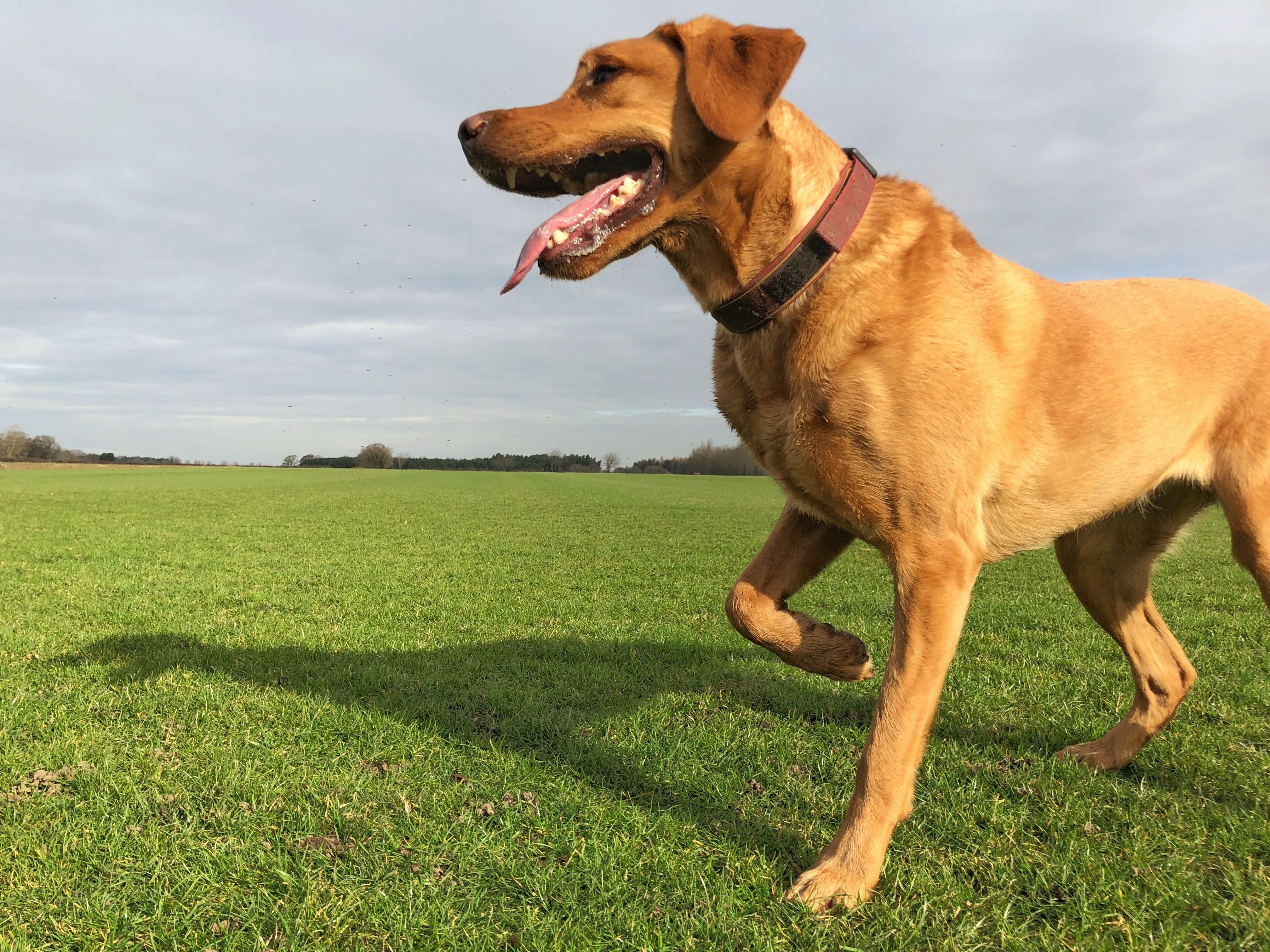
Canine osteoarthritis (OA) is one of the most common conditions seen in small-animal practice. With expanding treatment options, increased owner awareness, and ongoing debate around emerging therapies, it has never been more important to stay on top of the latest in OA diagnosis and treatment. Below, we break down the top questions veterinarians and veterinary technicians ask about canine OA, with links to dvm360 articles and videos that explore each topic in greater depth.
1. What is canine OA, and how common is it?
Canine OA is a chronic, progressive joint disease characterized by cartilage degeneration, inflammation, and pain. Estimates suggest that up to 20% of adult dogs are affected, with prevalence increasing significantly with age and body weight.1
Read more: A closer look at canine osteoarthritis
Watch now: Three things to know about canine osteoarthritis
2. What are the main risk factors for developing OA?
Age, obesity, genetics, joint conformation, prior orthopedic injury, and developmental conditions such as hip or elbow dysplasia all increase OA risk. Excess body weight remains one of the most modifiable contributors to disease progression.
Read more: Canine osteoarthritis: Understanding the etiology, clinical presentation, and diagnosis
3. How is OA diagnosed in clinical practice?
Diagnosis is typically based on history, orthopedic examination, and radiographic findings, although imaging findings may not always correlate with clinical signs. Subtle gait changes and owner-reported mobility issues are often early clues.
Read more: Current options for managing canine osteoarthritis
4. When should treatment begin?
Current thinking supports earlier intervention, even in mild or suspected OA, to slow progression and preserve mobility. Waiting for severe radiographic change or overt lameness may limit long-term outcomes.
Read more: Managing osteoarthritis in dogs (Proceedings)
5. What role do nonsteroidal anti-inflammatory drugs play in OA management?
Nonsteroidal anti-inflammatory drugs remain a cornerstone of OA pain control and are often first-line pharmacologic therapy. Appropriate patient selection, monitoring, and client education are essential to balancing efficacy and safety.
Read more: Librela and meloxicam comparison study results now available
6. What are monoclonal antibodies, and are they safe?
Monoclonal antibodies such as bedinvetmab target nerve growth factor to reduce pain signaling. Although many dogs experience meaningful improvement, clinicians should stay informed about labeling updates, adverse event reporting, and appropriate case selection.
Read more:
- Drug label is updated for pain management therapy
- FDA notifies veterinarians of adverse events linked to osteoarthritis treatment
- Animal health company assures veterinarians that OA drugs are safe
7. What nonpharmacologic strategies are supported by evidence?
Weight management, controlled exercise, physical rehabilitation, and environmental modification are essential components of multimodal OA care. These strategies can significantly improve comfort and mobility when combined with medication.
Read more: Nonpharmacologic management of canine osteoarthritis—Part 1
8. Which rehabilitation modalities are most effective?
Rehabilitation plans may include therapeutic exercise, hydrotherapy, laser therapy, shockwave therapy, and other modalities based on individual patient needs.
Read more:
- Rehabilitation and canine osteoarthritis: A multimodal approach
- Physical rehabilitation: Improving the outcome in dogs with orthopedic problems
9. Are there disease-modifying treatments for OA?
Research into disease-modifying OA therapies continues, including intra-articular treatments and novel interventions aimed at slowing joint degeneration rather than simply controlling pain.
Read more: New research finds canine osteoarthritis treatment may have disease-modifying effect
10. When should surgery be considered?
Surgical intervention may be appropriate for select patients with advanced disease or poor response to medical management. Options include femoral head ostectomy and total joint replacement, depending on joint involvement and patient factors.
Read more: Joint replacement: Hips, knees, and elbows (Proceedings)
Watch now: FHO vs total hip replacement: Separating fact from fiction
11. How can clinicians objectively monitor pain and mobility?
Validated pain scoring tools, mobility questionnaires, and consistent recheck protocols help clinicians assess treatment response and guide adjustments over time. Technicians play a key role in ongoing monitoring.
Read more: Current options for managing canine osteoarthritis
12. How do you set expectations with pet owners?
OA is a lifelong condition that requires ongoing management. Clear communication around goals, costs, realistic outcomes, and the need for multimodal care helps improve adherence and long-term success.
Read more: Managing osteoarthritis in dogs (Proceedings)
Reference
- Budsberg SC. Canine osteoarthritis: understanding the etiology, clinical presentation, and diagnosis. dvm360. October 1, 2004. Accessed January 27, 2026. https://www.dvm360.com/view/canine-osteoarthritis-understanding-etiology-clinical-presentation-and-diagnosis