Texas declares state of disaster as New World screwworm advances north
Although the parasite has not yet been detected in the US, officials warn that its northward movement poses a serious risk to livestock and wildlife.
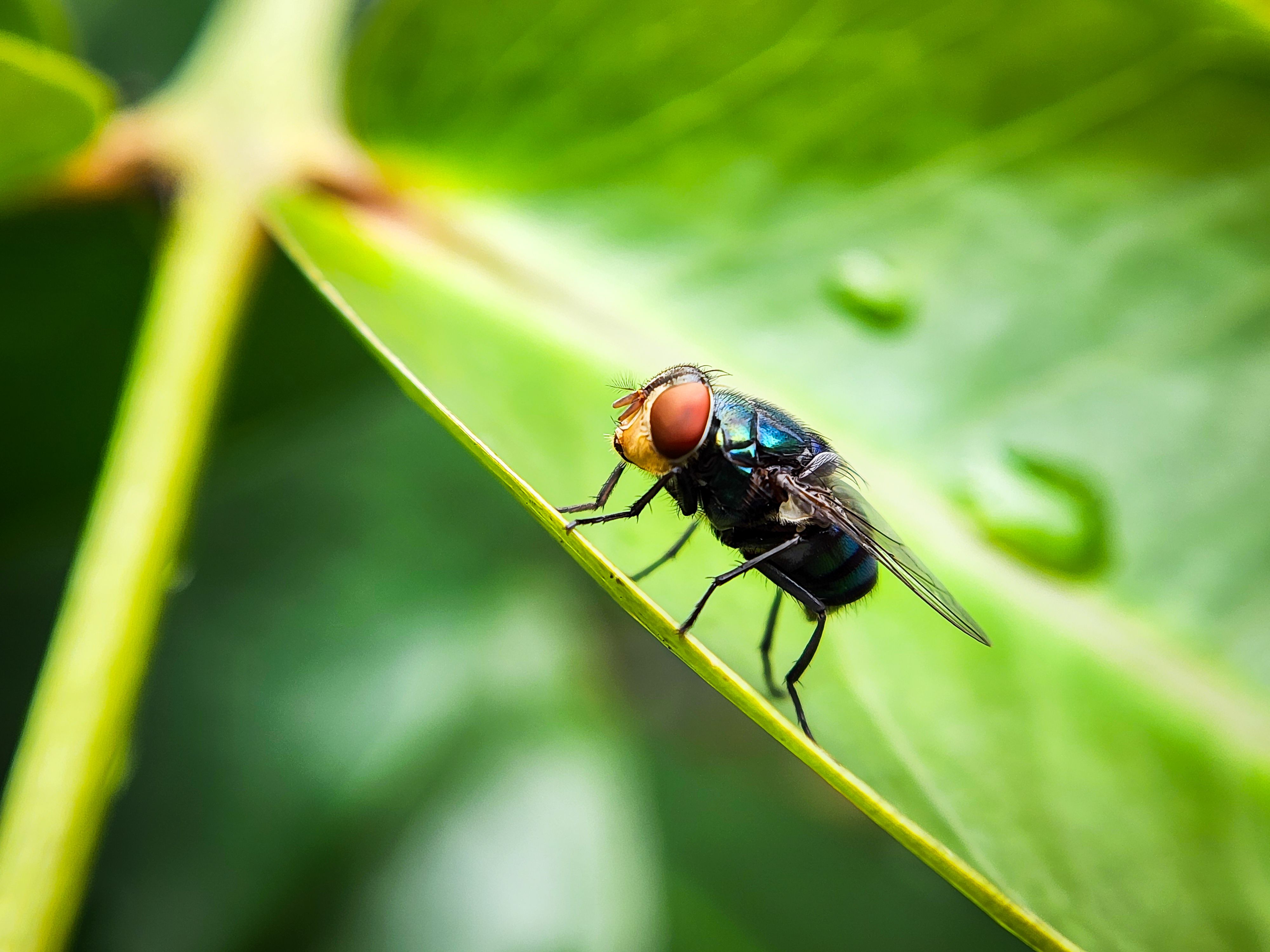
Texas Governor Greg Abbott has issued a statewide disaster declaration to bolster Texas’ defenses against New World screwworm (NWS), a parasitic fly whose flesh-eating larvae can cause severe tissue damage in warm-blooded animals and occasionally humans. The fly has not yet been detected in Texas or the United States, but cases in northern Mexico have raised concern for a northward spread toward the US.
“Although the New World screwworm fly is not yet present in Texas or the US, its northward spread from Mexico toward the US southern border poses a serious threat to Texas’ livestock industry and wildlife,” Abbott said in a statement released January 29.1 The disaster declaration allows the Texas NWS Response Team—a group created last summer to address the NWS threat—to use all state government resources for prevention and potential eradication.
Coordinated state and federal response
In August, the state also partnered with the US Department of Agriculture (USDA) to establish a $750 million domestic sterile NWS production facility in Edinburg, Texas, designed to supply sterile flies for preventative releases.2
Sterile fly releases are a cornerstone of NWS control. Female NWS flies mate only once. If they mate with sterile males, their eggs do not hatch. The US eradicated NWS in 1966 using this method.3
Yet, cases of NWS throughout Central America have been on the rise since 2023, with the parasite reaching Costa Rica, Nicaragua, Honduras, Guatemala, Belize, and El Salvador.3
In an earlier interview with dvm360, Christopher Lee, DVM, MPH, DACVPM, DACVM (Parasitology), a preventive medicine and parasitology specialist, warned that if the parasite enters the US, it “has the potential to create devastation to our protein production, to pets, to [people], and to the wildlife.”4
In further efforts to stop the northern spread of NWS, the USDA Animal and Plant Health Inspection Service (APHIS) said it is shifting its sterile fly dispersal area to include operations up to 50 miles into Texas along the border with Tamaulipas, Mexico, creating a proactive buffer zone to prevent infestation.3 Sterile flies carry no risk to livestock, wildlife, or humans.
Watching the border, trap by trap
Despite no confirmed cases in the US, the USDA and state agencies are leading “intensive” surveillance along the southern border, the USDA said.3 According to the federal agency, surveillance teams are tracking 121 traps designed specifically to detect the NWS, while thousands of additional insect and fruit fly traps line high-risk stretches of border states.
To date, more than 42,000 flies have been collected and analyzed, and over 9300 wildlife inspections across 39 species in 131 counties have found no NWS infestations.3
NWS is detected in Florida—in an imported horse
Earlier this week, a horse with NWS arrived at an equine import quarantine facility in Florida. According to the USDA, the horse, which came from Argentina, presented for routine importation and inspection. During examination, the APHIS found an open wound with larvae and was immediately treated with medication to kill any larvae in accordance with standard, import protocols. On January 30, the National Veterinary Services Laboratories confirmed that the larvae were NWS. The animal will remain in quarantine until follow-up examinations determine it is free of the parasite, the USDA said.3
Related: Vet Watch update: New World screwworm or not? What vets should and shouldn’t submit to labs
Although the case does not appear to be linked to the ongoing outbreak in Mexico, officials said it highlights the importance of sustained vigilance, import requirements, and protocols in the broader effort to prevent the parasite’s spread.
Veterinary considerations and client guidance
Veterinarians play a key role in early detection and prevention. Livestock producers and pet owners along the southern border should monitor animals for signs of NWS myiasis, including draining or enlarging wounds, discomfort, or the presence of larvae or eggs near body openings.
Adult flies resemble the common housefly, sometimes slightly larger, and have metallic green or blue bodies, orange eyes, and 3 dark stripes down its back. Early recognition and reporting to the Texas Animal Health Commission, Texas Parks and Wildlife Department, or a USDA state area veterinarian in charge can help prevent infestations.
NWS larvae burrow into living tissue, causing painful, enlarging wounds. Prompt treatment is essential to prevent serious damage or death. Although human cases are rare, veterinarians should advise owners to seek immediate medical care if NWS exposure is suspected.
References
- Governor Abbott Issues Disaster Declaration To Prevent New World Screwworm Fly Infestation. News release. Office of the Texas Governor, January 29, 2026. Accessed February 2, 2026. https://gov.texas.gov/news/post/governor-abbott-issues-disaster-declaration-to-prevent-new-world-screwworm-fly-infestation
- Governor Abbott, Secretary Rollins Announce $750 Million For New World Screwworm Protection Facility. News release. Office of the Texas Governor. August 15, 2025. Accessed February 2, 2026. https://gov.texas.gov/news/post/governor-abbott-secretary-rollins-announce-750-million-for-new-world-screwworm-protection-facility-
- New World Screwworms. Texas Animal Health Commission. Accessed February 2, 2026. https://www.tahc.texas.gov/emergency/nws.html
- Lee C, Alaburda B. Vet Watch Update: New World screwworm. dvm360. May 16, 2025. Accessed February 2, 2026. https://www.dvm360.com/view/vet-watch-update-new-world-screwworm