Researchers are working to learn more about equine herpesvirus
Louisiana State University investigators were awarded a grant to explore the detection of the virus during the latent period.
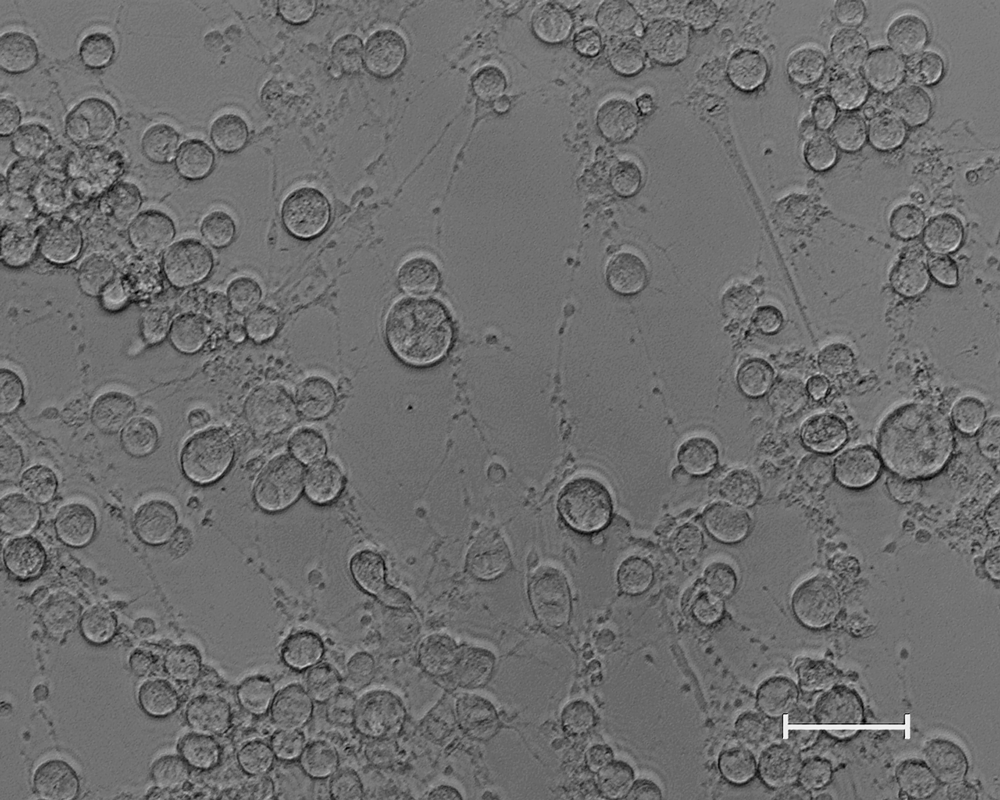
A team of researchers at Louisiana State University (LSU) in Baton Rouge is investigating equine herpesvirus-1 (EHV-1), following a 2025 outbreak of the disease in the US. The goal is to determine where in the body the virus resides during latency.1
EHV-1 largely causes respiratory signs, but the virus can also cause neurologic disease and abortion in pregnant mares, according to LSU. Although a vaccine for the respiratory version of EHV-1 currently exists, the research at LSU could help the development of a vaccine for the neurologic version of the virus, known as equine herpesvirus myeloencephalopathy (EHM).1,2
EHV-1 is spread through contact with infected nasal discharge and aerosol droplets between horses, as well as contaminated surfaces such as stalls, feed, tack, and vehicles. Humans can also indirectly transmit infection through contaminated hands, clothing, and equipment.2-4
Clinical signs of EHV-1 infection include fever, nasal discharge, enlarged lymph nodes, lethargy, and late-term abortion that can occur up to 2 months after a mare is infected, according to the LSU School of Veterinary Medicine. Signs of EHM include an inability to stand, incoordination, urine dribbling, high fever, and decreased sensation in the tail and perineal area.2-4
Outbreaks can be difficult to predict or control, according to LSU.1 In November 2025, horses in multiple states were reportedly diagnosed with EHV-1 infection linked to the Women’s Professional Rodeo Association World Finals and Elite Barrel Race held in Waco, Texas, earlier in the same month. Three of those horses, from Texas, were quarantined at the LSU Veterinary Teaching Hospital in Baton Rouge.2-3
At LSU, faculty members in the Department of Pathobiological Sciences—Udeni Balasuriya, BVSc, PhD; Côme Thieulent, PhD; and Mariano Carossino, DVM, PhD—were awarded a Charles V. Cusimano Equine Health and Sports Performance Research Grant for the investigation of rapid detection of latent respiratory EHV-1 in peripheral blood mononuclear cells and peripheral tissues using multiplex 1-step digital polymerase chain reaction (dPCR) assays. Based on this research, investigators are now aiming to develop a rapid, highly sensitive molecular dPCR assay that will detect hidden EHV-1 infections before they lead to disease and outbreaks. According to LSU, such a tool would support vaccine development.1
More knowledge of the virus during latency can also help veterinarians improve animal health and welfare, as well as equine disease control.1 Currently, veterinarians can perform diagnostics for living equine patients such as nasal swab collection and blood collection. Standard treatment can include intravenous fluids or anti-inflammatory drugs with antibiotics used for secondary bacterial infection.5
References
- LSU vet med researchers investigating Equine herpesvirus. News release. Louisiana State University. December 19, 2025. Accessed January 15, 2025. https://www.lsu.edu/vetmed/news/2025/equine_herpesvirus_research.php
- Crossley KC. Equine herpesvirus poses threat to horses in multiple states. dvm360. November 21, 2025. Accessed January 15, 2026. https://www.dvm360.com/view/equine-herpesvirus-poses-threat-to-horses-in-multiple-states
- LSU vet med treating three Texas horses quarantined for confirmed equine herpesvirus-1. News release. Louisiana State University. November 19, 2025. Accessed January 15, 2026. https://www.lsu.edu/vetmed/news/2025/equine_herpesvirus.php
- Sharfman A. OK Dept. of Agriculture confirms two cases of highly contagious virus affecting horses. KTUL. November 19, 2025. Updated November 20, 2025. Accessed November 21, 2025. https://ktul.com/news/local/possible-exposure-of-equine-herpesvirus-leads-to-lazy-e-arena-event-cancellation-highly-contagious-virus-horses-oklahoma-state-veterinarian-ehv-1-rhinopneumonitis-virus-strain-symptoms-barrel-futurities-of-america
- Equine herpesvirus (EHV) myeloencephalopathy: a guide to understanding the neurologic form of EHV infection. US Department of Agriculture. December 2008. Accessed January 15, 2026. http://www.lsu.edu/vetmed/ehsp/ehv_guide.pdf