Q&A: Use cameras and imaging to improve zoo medicine outcomes
Laila Proença, DVM, PhD, MV, MSc, DACZM, explains practical steps for rabbit cheek tooth extraction, how to get diagnostic quality bird radiographs, and why accessible tools and safe anesthesia matter in zoo medicine.
At Fetch Long Beach, a presentation by Laila Proença, DVM, PhD, MV, MSc, DACZM, focused on 2 clinical topics many clinicians find intimidating: parrot radiograph interpretation and rabbit cheek tooth extraction. Below are distilled, practical takeaways from that conversation.
RELATED: Sedation is the key to better bird radiographs
Editor’s note: This dvm360 Q&A has been lightly edited and consolidated from a verbal interview to better fit a written format while retaining the substance of the original conversation.
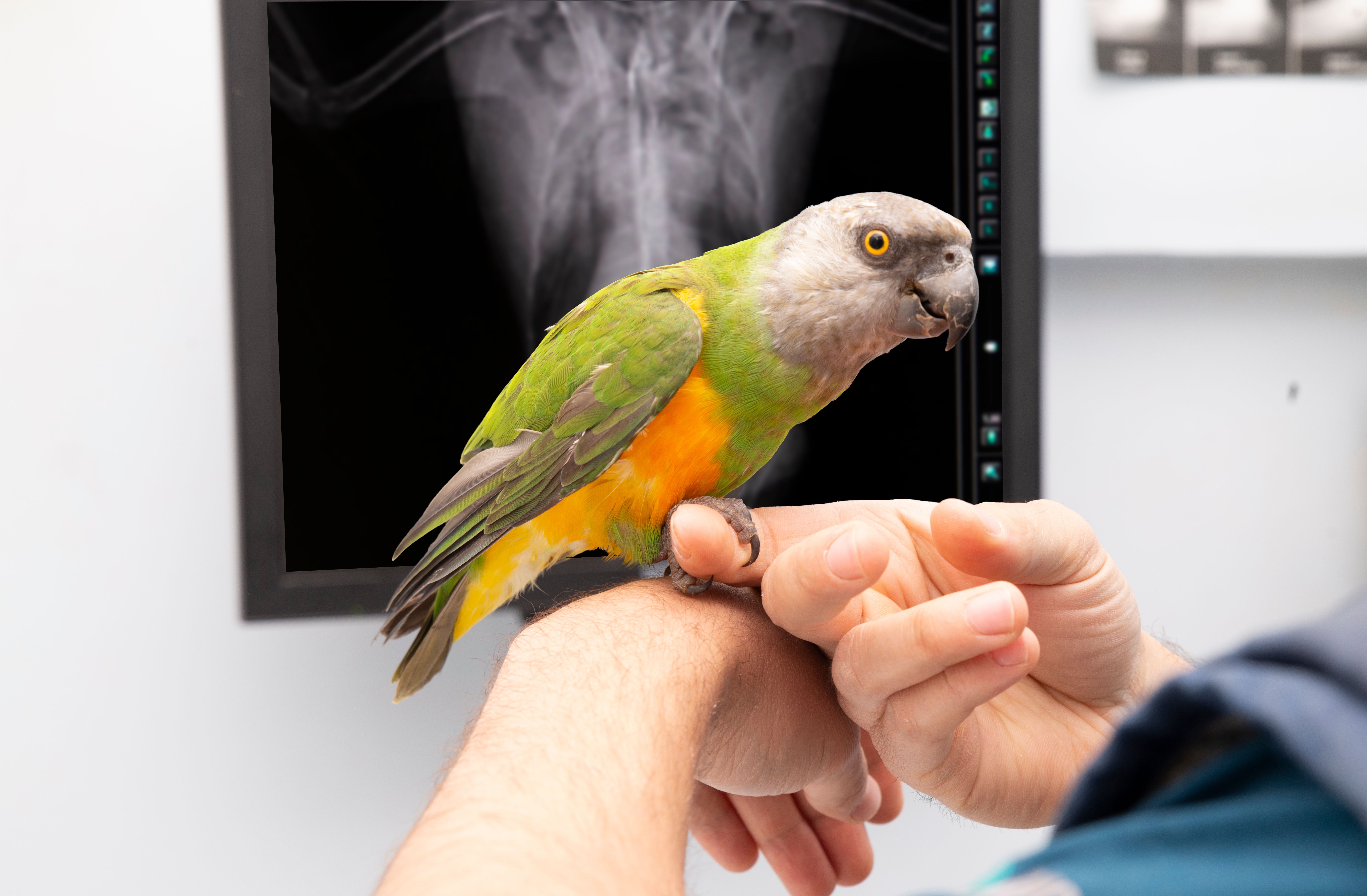
For rabbit cheek teeth extraction, what are the absolute minimum diagnostics and steps you require before attempting extraction?
Proença: You must have imaging. That means skull x-rays or CT [scans], or sometimes both. Imaging before the procedure is essential, and imaging after extraction is also required to confirm that you removed the entire tooth. Even if the camera view looks clear, blood and soft tissue can hide fragments, so postprocedure imaging prevents future problems.
Can a general practitioner do rabbit cheek tooth extractions? What instruments should they have?
Proença: Yes, general practitioners can do this. Most of the skills are adaptations of what you already do for dogs and cats. A must-have is a camera or rigid scope. The mouth is small, and the camera [provides] a view you cannot get with the naked eye. Good light and a scope make the procedure feasible. Many high-quality scopes and cameras are affordable today and connect to a phone or tablet, so your phone becomes the monitor. You do not need expensive gear to get started.
How do you handle retained tooth fragments? When do you reimage or reenter?
Proença: Fractured fragments happen. These teeth are diseased and break easily. Use the camera to search the tunnel and dig out fragments. If you cannot see a fragment but post-op imaging shows one, go back in and remove it. Removing the entire tooth reduces the chance of repeat disease and future procedures.
What common mistakes do you see with equipment choices?
Proença: A common mistake is relying on loupes. Loupes magnify but do not give the needed end tunnel view for cheek teeth. A rigid scope or small camera provides the angle and view that loupes cannot. Another mistake is thinking you need very expensive equipment. You can outfit a functional setup for under a thousand dollars, depending on your choices, and many items are available on common marketplaces.
What about anesthesia for rabbits? Do people mask instead of intubating and why is that a problem?
Proença: Many clinicians skip intubation because they are afraid of it and [opt for a] mask instead. That is ironic because extracting cheek teeth is a complex procedure, but some clinicians avoid tube intubation. Masking a rabbit for a [lengthy] procedure causes instability and prevents ventilation, and it exposes the staff to anesthetic gas. You can use the same scope to help intubate. Proper intubation is safer for the rabbit and the team.
For parrot radiographs, what is the single best step to improve image quality?
Proença: Sedation. Sedation stops motion and allows proper positioning. Poor positioning raises more questions than answers because obliquity and motion create artifacts and superimposition. Sedation is usually safer than the stress of struggling for positioning when done correctly.
What quick checks do you perform every time on a ventrodorsal parrot view before interpreting organ size?
Proença: First, check that the keel is aligned with the spine. Second, make sure the legs are extended and parallel. Third, check that the wings are opened and level. If those 3 [positions] are correct, you can start to evaluate organ size.
Any common pitfalls for bird radiographs?
Proença: Holding the bird for radiographs exposes people to radiation and is a major mistake. Other pitfalls are makeshift restraint methods that seem to save time but increase movement. Using proper sedation and positioning devices reduces stress and improves images. Avoid "MacGyver" solutions that add steps and still allow motion.
You mentioned a soapbox about terminology. Can you explain?
Proença: I prefer the term zoo med rather than the word exotics. Exotic implies something utterly different that needs a completely separate medicine. Zoo med is more like dog and cat medicine with different anatomy and nuances. If a procedure sounds crazy when you replace the species with a dog, then it is a red flag that the approach is unsound. Trust general medical principles, study the specifics, and practice zoo med rather than treating it as a mysterious, separate discipline.
To read more news and view expert insights from Fetch Long Beach, visit dvm360’s dedicated site for conference coverage at https://www.dvm360.com/conference/fetch-long-beach