Q&A on using acupuncture in veterinary medicine
Bonnie D. Wright, DVM, DACVAA, CVMA, CVPP, CCRT, CCRP, discusses various ways to learn and use acupuncture across different patient cases.
Bonnie D. Wright, DVM, DACVAA, CVMA, CVPP, CCRT, CCRP, is a veterinary anesthesiologist and pain specialist, as well as an educator with Evidence-Based Veterinary Acupuncture courses, based in Colorado and Hawaii. Wright created the first acupuncture course for the Canine Rehabilitation Institute and recently led 4 continuing education (CE) sessions at the 2026 Veterinary Meeting & Expo (VMX) in Orlando, Florida, hosted by the North American Veterinary Community. In an interview with dvm360, Wright discussed the prevalence of acupuncture in veterinary medicine, educational opportunities to learn this form of integrative medicine, and different types of patient cases that can benefit from this therapy.
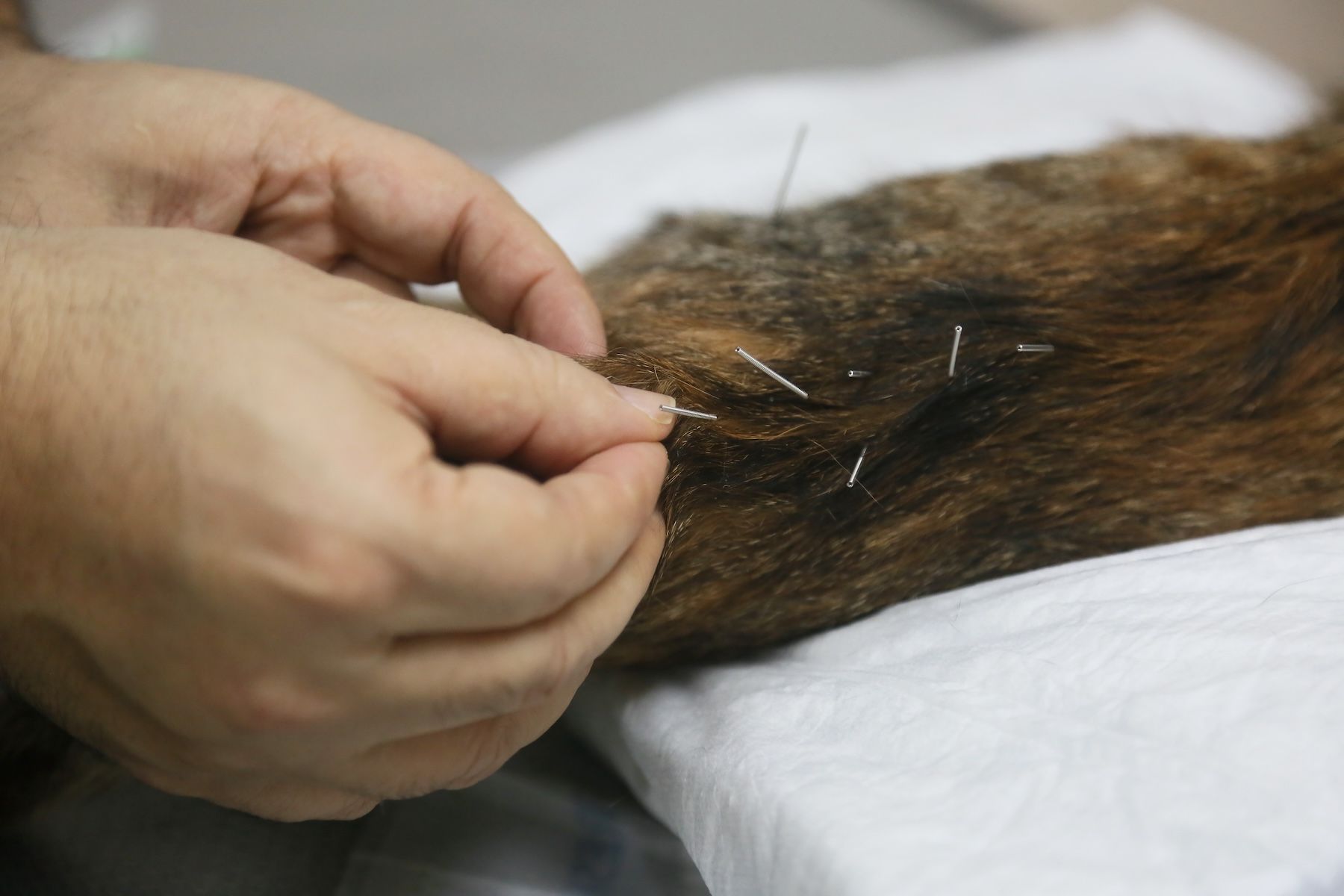
dvm360: What is the general prevalence of acupuncture use in veterinary medicine?
Bonnie D. Wright, DVM, DACVAA, CVMA, CVPP, CCRT, CCRP: Great question. I think that the prevalence varies a lot by area. So areas where there [are] programs teaching acupuncture—like [those in] Florida and Colorado, as 2 examples—end up with a higher prevalence of people practicing. But if you then spread over the US, it drops a bit. There are over 2500 people [who] are certified in acupuncture across the US, so it's actually a fair number that spans small animal, equine, people in academic…positions, and then a much smaller amount doing other species. I think it's more prevalent than we realize, outside of the little acupuncture bubble, because I think sometimes people don't talk about it as much, because there's sort of been this thought that it's unscientific, alternative, or complementary. Maybe that's one of the reasons why it's probably more prevalent than someone outside of that bubble realizes.
dvm360: Are there many veterinary schools that have programs teaching acupuncture? How can more students learn it?
Wright: There are just a handful of schools that teach it within their curriculum, and there [are] a bunch more of the US vet schools that at least offer it for students to see in their clinical year. So in clinical practice, you get up to a higher number by quite a bit. Some of the schools have pairings with for-profit programs to get students into those programs. I think all the programs that teach acupuncture as an add-on, like a CE for veterinarians, do invite students and often give some sort of a discount to students…but I'm hoping it gets a lot more common at the veterinary schools.
The exposure is good. The thing about acupuncture is it's a tactile technical skill that can be pretty easily added to your other skills, like your physical exam skills, and the things we teach at that school. So I think that every student would benefit [from] leaving that school knowing how to do it, regardless of whether or not they wanted to specialize.
dvm360: Looking at your VMX talks, you addressed the use of acupuncture in…some specific types of patient cases. For starters, how can acupuncture help the aging patient with the challenges that are unique to them?
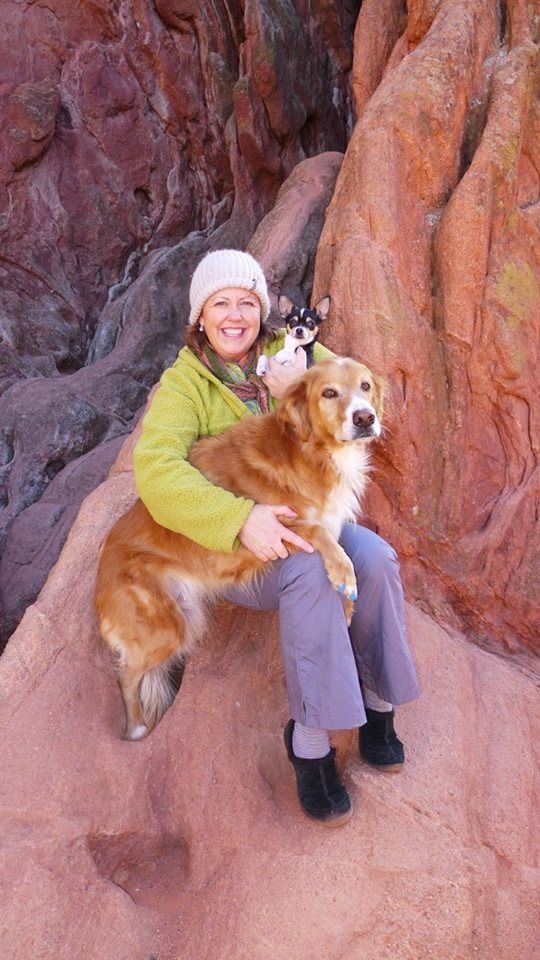
Wright: That's such a great question…. With aging, one of the conversations we have these days is looking at health span rather than just lifespan. It’s the idea of…not necessarily making [life] longer but making it more quality. In veterinary medicine, that can really relate to making it longer, because then you're less prone to look at humane euthanasia, right?
So acupuncture is really, across the board, a very good treatment for most forms of chronic pain. And with aging, lots of forms of chronic pain can form, so almost any sort of organic disease on top of the ones we know are painful, like osteoarthritis, dental disease, and spinal cord disease. But most of the other chronic disease conditions actually do have pain and discomfort, including those of the internal organs. So even just the pain management side of acupuncture in [older patients] is huge, but acupuncture also really works through the lymphatic system, the interstitial fluids, and fluid regulation, and that's tied into the immune system. We now realize that a lot of aging is related to this imbalance in the immune system. They'll call it inflammaging or immunosenescence, and it's this immune system that's out of balance. And acupuncture is, in addition to pain, very good at helping to balance the immune system.
Those 2 big overarching things that happen in aging are really important…and then the other one is just the cognitive decline. In human populations—and they've modeled it in rodent models—acupuncture really seems to help reduce some of that cognitive decline and help individuals be more alert…so that ability to maybe reset some of the neural networks in a way that they're more active. My [older] patient clients will be like, “Oh my gosh, we went home and they just ran around and played like they were young again.” So that's a huge piece, too, that cognitive piece.
dvm360: You also did the CE session on osteoarthritis, which ties into aging. Can you explain how acupuncture can help with maladaptive pain?
Wright: Absolutely. Maladaptive pain is actually where acupuncture stands out more than in the adaptive or acute sort of pain. It's actually why I learned acupuncture as an anesthesiologist, because I felt like my drug tools weren't helping with maladaptive [pain] as much as they were with that acute perioperative pain. So acupuncture is very helpful at resetting a lot of those neural cascades that [take] regular pain to maladaptive pain. Then the other part that I think we overlook a lot is that with osteoarthritis pain, we get a lot of soft tissue concurrent pain. A lot of times, as we get older, it's actually a lot of that soft tissue pain that is worse than the joint pain. So when it's new, osteoarthritis hurts more in the joints, but as it goes on and becomes this chronic condition, it's often the sequela across the soft tissue structures that are more painful. So acupuncture is quite good at those. Then for the joints themselves, the osteoarthritis is that immune balance. But for me, it's more of that chronic stage of osteoarthritis, where acupuncture becomes irreplaceable and very different than all the drugs we have available.
dvm360: What would you like veterinary professionals to know about acupuncture for spinal pain?
Wright: Another place that acupuncture really does well in…[is it] really helps with neurorehabilitation and the return to function. In my lecture [on acupuncture for spinal pain], I focus more on the pain piece, because it's too big of a topic for 50 minutes. Last year, I did the neurologic rehabilitation part more, but both the pain control and the ability to help those nerves bounce back better are really important.
I always like to say the love language of nerves is electricity. So with the neurologic deficits in acupuncture, we can add electroacupuncture to that…and that combination really helps restore nerve function, in addition to motion and rehab, which are incredibly important…ways to restore function. Whether there's been a surgical fix or not, acupuncture serves a really important role in those cases, and in some ways, a much more primary role than some of the other pain conditions.
dvm360: How can acupuncture help improve blood flow and immunity in parts of the body, such as the kidney, bladder, and pelvic areas?
Wright: It's a great question, because it's not immediately obvious from outside. So the innervation to the organs of the body still come off the spinal cord, especially along the somatic and sympathetic portion, and then that intermixes with the parasympathetic, which comes down more internally. So those regions where the innervation—say, the kidney—comes from the spinal cord, the back in that region shares that same spinal segment as the kidney. So what we find is that you can get pain associated with problems in an organ, but it's expressed up along that nerve pathway along the back. Additionally…there [are] multiple studies that have measured that when you acupuncture that region with that shared innervation, you can actually measure and increase blood flow in the related organ. So they seem spatially separate, but they're linked with the nervous system, and then they can also be linked along fascial planes, where the interstitial fluid moves. Those 2 things allow things that sound remote to actually be tied together.
dvm360: What could veterinary professionals or practices be doing that they may not already be doing to spread awareness to pet owners and their clients about acupuncture and the availability of this as a therapy option?
Wright: I think at a lot of places around the country, there are practitioners in most communities [who] do acupuncture. So veterinarians could find out who does acupuncture in their area, especially for the things we just discussed…[and] they could refer [the patient] to those people.
There's also a number of courses available where people can learn how to do acupuncture…. In a year, you could be certified to do acupuncture, and it would really expand the tool kit.
Start by referring to someone near you, and then think about taking a course and learning how to do it. It's a huge practice builder, too, because the clients love it. It's a very positive thing that they do with their animals, as opposed to when we add medications, sometimes we're really adding to the caregiver burden. Acupuncture is another financial piece, but it tends to be very rewarding to both the patient and the client and their relationship. It tends to really augment that long-term health, brings a lot of patients back to the practice, and creates a lot of customer loyalty.
dvm360: What else would you like veterinary professionals to know about acupuncture?
Wright: Acupuncture is a scientific, medical treatment. But people miss that, and I just want people to hear that it really is a scientifically based, physiologically based way of interacting with the body.
For more industry news and coverage of VMX, visit dvm360’s dedicated conference page to view articles and videos: dvm360.com/conference/vmx