Education partnership provides more global learning opportunities
Mississippi State University College of Veterinary Medicine entered into a collaboration with Loop Abroad to expand its international learning programming.
The College of Veterinary Medicine (CVM) at Mississippi State University (MSU) is entering into a new partnership with educational travel provider Loop Abroad. The collaboration aims to expand global learning opportunities for undergraduate students pursuing careers in veterinary medicine and related fields at US universities, according to MSU.1
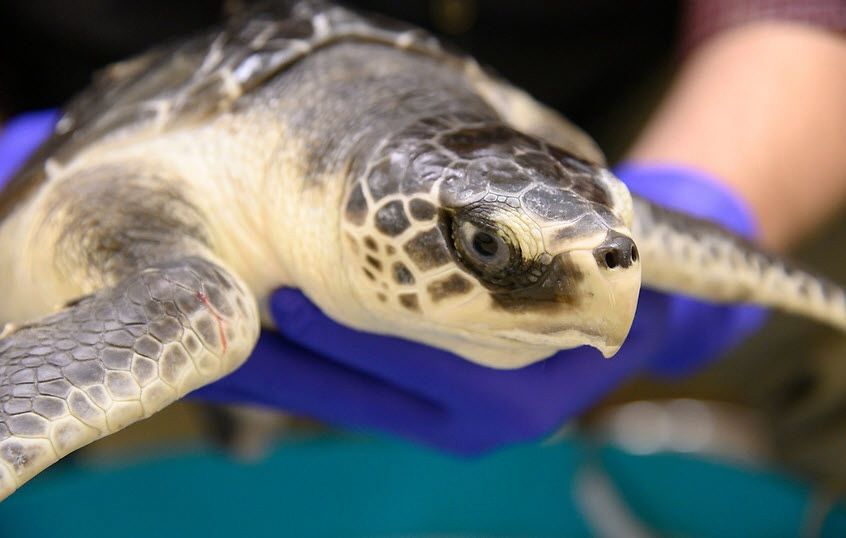
This partnership establishes the Mississippi State University College of Veterinary Medicine Summer Veterinary Internships. These credit-bearing international programs aim to provide immersive, hands-on veterinary experiences abroad for undergraduate students enrolled at any US university. Beginning in summer 2026, students can enroll, through the program, in 2 distinct courses, Companion Animal and Elephant Veterinary Medicine, and Food Animal, Marine, and Wildlife Medicine in the Tropics; held in Thailand and Belize, respectively. The application deadline for these summer 2026 courses is February 10, 2026.1
“This partnership reflects Mississippi State’s land-grant mission and its commitment to preparing students for impactful careers in a global society,” Dan Reynolds, executive director of the International Institute at MSU, said in a news release.1
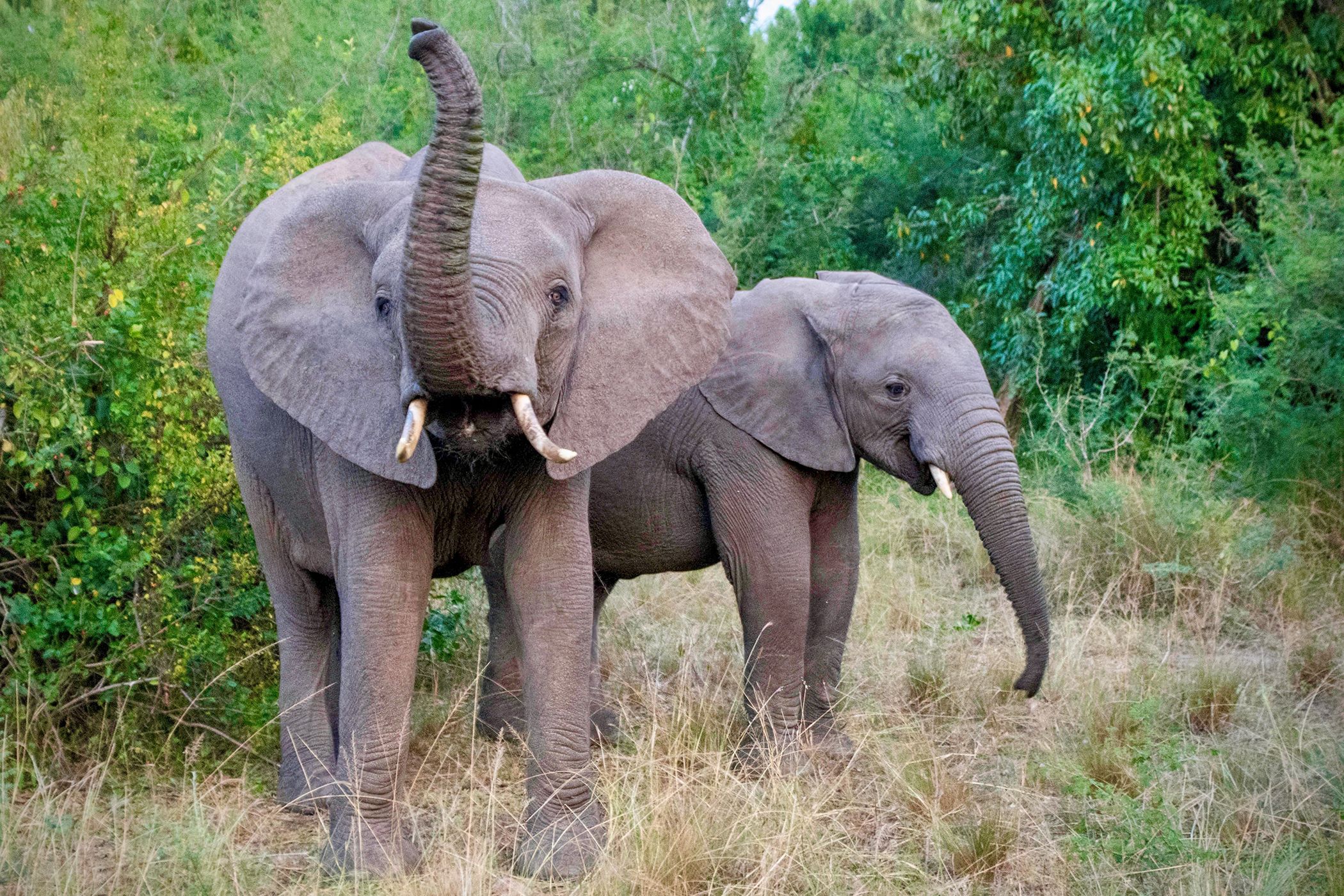
The 2-week Companion Animal and Elephant Veterinary Medicine course offers students 3 academic credits with lectures, labs, and hands-on learning opportunities in clinical and field settings. Students will observe and participate in activities with a focus on elephant medicine. Enrolled students will also have time to experience Thailand’s communities and culture including food, history, traditions and daily life, while working with peers in a global environment.2
The 3-week Food Animal, Marine, and Wildlife Medicine in the Tropics course offers 4 academic credits with lectures, labs, and hands-on learning experiences as well as immersion in the Belize culture. Through observation and participation, students will focus on veterinary medicine with activities that focus on a variety of species.3
Founded in 1974, Mississippi State University’s CVM offers state-of-the-art facilities and cutting-edge research programs. The CVM provides students with hands-on training from their first day. Veterinary students at MSU perform an average of 90 surgeries before graduation, reflecting the college’s commitment to experiential learning where passion for animals meets a legacy of excellence, according to the university. Additionally, faculty, staff and students are actively engaged around the world, addressing challenges across all aspects of One Health—an integrated approach that recognizes the interconnected health of people, animals and the environment and promotes collaboration across disciplines to achieve better health outcomes for all.1
Loop Abroad is one of the largest pre-veterinary study abroad organizations in the US. The organization, which caters to high school and college students as well as professional learners, maintains partnerships in more than 12 countries and provides funding to projects worldwide that support wildlife conservation, research, animal welfare and One Health initiatives.1
“Through this partnership, students will gain exposure to different veterinary practices, species and cultural contexts while earning academic credit through Mississippi State University,” Nicholas Frank, DVM, PhD, DACVIM (LA), dean of the CVM, said in a news release.1 “The programs are designed to complement our undergraduate, professional and graduate degree programs while emphasizing ethical, sustainable engagement with global communities.”
The Mississippi State University International Institute Office of Study Abroad will serve as a central hub for the CVM’s partnership with Loop Abroad, supporting program coordination and student participation. The office plays a key role in the university’s international activities by mobilizing faculty, staff and students to engage globally and positively influence the lives of Mississippians and communities around the world, according to the institution.1
References
- Mississippi State University College of Veterinary Medicine announces new partnership with Loop Abroad. News release. Mississippi State University. December 22, 2025.
- Mississippi State University College of Veterinary Medicine Summer Veterinary Internship— Companion Animal and Elephant Veterinary Medicine. Mississippi State University College of Veterinary Medicine. Accessed December 23, 2025. https://msstate.studioabroad.com/index.cfm?FuseAction=Programs.ViewProgramAngular&id=76874
- Mississippi State University College of Veterinary Medicine Summer Veterinary Internship— Food Animal, Marine, and Wildlife Medicine in the Tropics. Mississippi State University College of Veterinary Medicine. Accessed December 23, 2025. https://msstate.studioabroad.com/index.cfm?FuseAction=Programs.ViewProgramAngular&id=76875