Can saliva biomarkers help validate dog temperament tests?
A new study suggests common saliva measures may align with how dogs perform on a widely used temperament test. Can biomarkers add an objective layer to behavior-based screening?
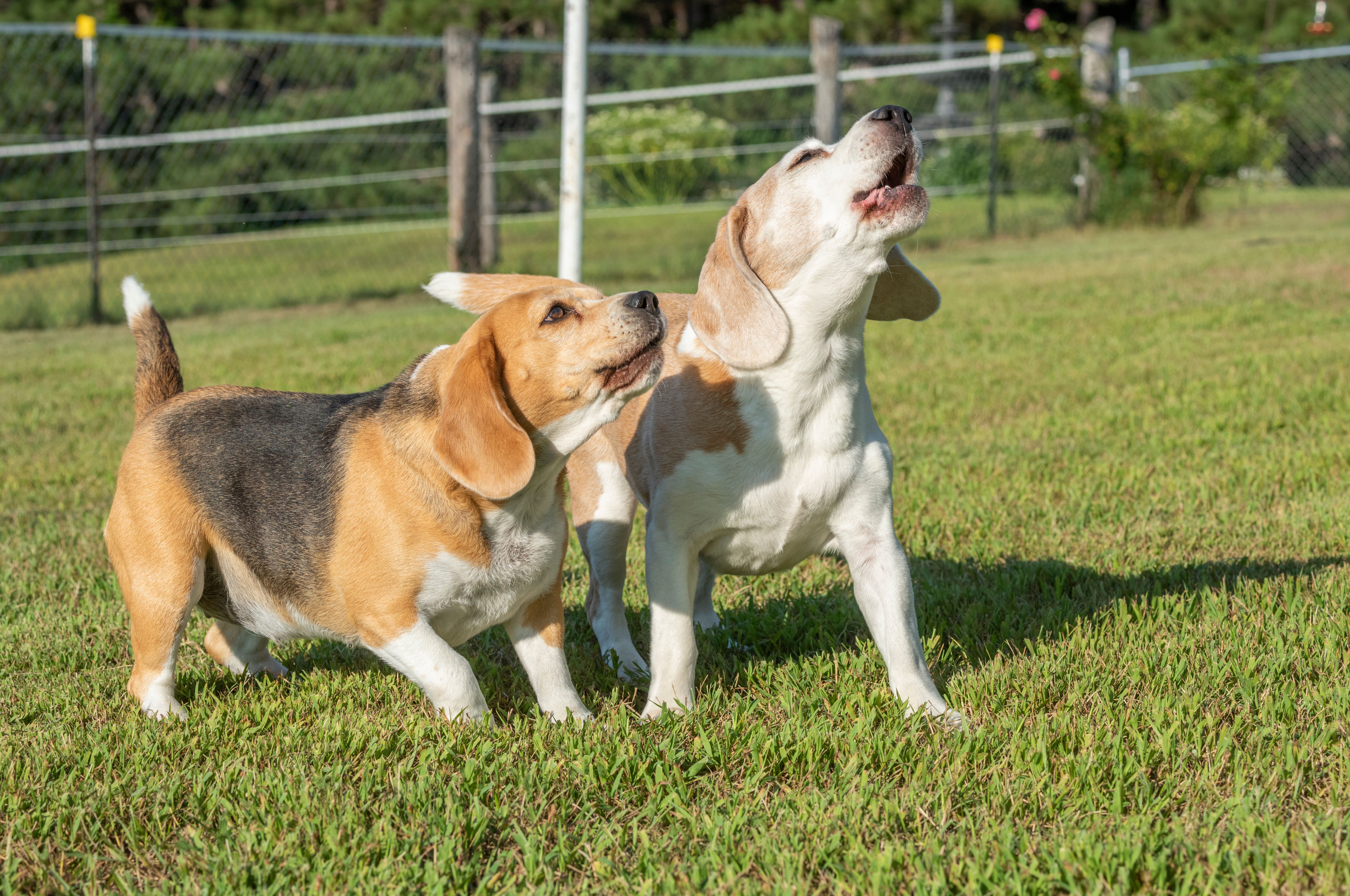
Dogs that scored higher on a modified Wesen temperament test also tended to show lower salivary cortisol concentrations before and after testing, along with higher baseline salivary serotonin, according to a small study published Feb. 4, 2026, in PLOS One.1
The results add objective physiologic measures to a temperament screen that is widely used to help identify dogs suited for companion placement or specific working roles, but that has drawn criticism for potential subjectivity.1
What researchers found
Researchers in South Korea evaluated 24 dogs of various breeds using a seven-part version of the Wesen test, in which a trained observer scored behaviors such as sociality, confidence, noise and movement stability, and responses to separation and stressful situations. Saliva collected immediately before and after the test was analyzed for cortisol, and baseline serotonin was measured in 16 dogs (insufficient volume limited testing in the remainder). The researchers evaluated adult dogs of multiple breeds and backgrounds including beagles, border collies, Labrador retrievers, a German shepherd, and other breeds, including seven mixed-breed dogs.1
Across the cohort, higher overall temperament scores were associated with lower cortisol. Pre-test cortisol showed a modest inverse correlation with total average temperament score, while post-test cortisol showed a stronger inverse relationship with overall score and with all seven subtests. Dogs that scored higher also tended to have smaller increases in cortisol from pre- to post-test, suggesting a blunted physiologic stress response during the assessment.1
Serotonin results were directionally similar but less consistent. Baseline serotonin trended higher with higher overall temperament scores and was significantly correlated with movement stability scores. In grouped comparisons, dogs in the highest-scoring group had significantly higher baseline serotonin concentrations than dogs in the lowest-scoring group.1
Temperament tests are common in working-dog pipelines and adoption decision-making, but real-world behavior can be influenced by handling, environment, and the inherent limits of observer-based scoring.2,3 Pairing standardized behavior testing with salivary measures could help address those concerns by adding objective data points to support a behavioral impression.
“Our study shows that physiological concentrations of hormones and neurotransmitters can serve as biomarkers of canine temperament,” the authors wrote. “These results could help identify dogs suited for specific working roles—such as military, police, guide, or therapy dogs—and assist in making better-informed companion dog adoption decisions.”1
Study caveats
The study’s size (24 dogs overall; serotonin measured in 16) limits generalizability, and the design cannot establish causality between hormone or neurotransmitter concentrations and temperament. Cortisol was measured at only two time points (pre- and post-test), leaving unanswered questions about peak response timing and recovery, and serotonin was assessed only at baseline.1 Endocrine measures can also be influenced by multiple confounders—such as prior experiences, housing, and individual reactivity—that are difficult to fully control in small cohorts.1,4,5
Still, the findings provide early evidence that salivary biomarkers may complement temperament scoring rather than replace it, particularly in contexts where programs need scalable, noninvasive tools to support selection and placement decisions.1
References
- Jung Y, Song Y, Yang K, Yoo K, Heo Y, Yoon M. Associations between canine temperament and salivary concentrations of cortisol and serotonin. PLOS One. 2026;21(2):e0337781. Published February 4, 2026. Accessed February 11, 2026. https://journals.plos.org/plosone/article?id=10.1371/journal.pone.0337781
- Taylor KD, Mills DS. The development and assessment of temperament tests for adult companion dogs. J Vet Behav. 2006;1(3):94-108. Accessed February 11, 2026. https://doi.org/10.1016/j.jveb.2006.09.002
- Ruefenacht S, Gebhardt-Henrich S, Miyake T, Gaillard C. A behaviour test on German Shepherd dogs: heritability of seven different traits. Appl Anim Behav Sci. 2002;79(2):113-132. Accessed February 11, 2026. https://doi.org/10.1016/S0168-1591(02)00134-X
- Cobb ML, Iskandarani K, Chinchilli VM, Dreschel NA. A systematic review and meta-analysis of salivary cortisol measurement in domestic canines. Domest Anim Endocrinol. 2016;57:31-42. Accessed February 11, 2026. https://doi.org/10.1016/j.domaniend.2016.04.003
- Beerda B, Schilder MBH, van Hooff JARAM, de Vries HW, Mol JA. Behavioural, saliva cortisol and heart rate responses to different types of stimuli in dogs. Appl Anim Behav Sci. 1998;58(3-4):365-381. Accessed February 11, 2026. https://doi.org/10.1016/S0168-1591(97)00145-7