A dog survives 17 minutes of CPR after taking lethal doses of human medications
In Portland, Oregon, a 7-year-old dog survived prolonged cardiac arrest after ingesting at least 40 tablets of human medications for bipolar disorder and depression.
A veterinary emergency and specialty hospital in Portland, Oregon, recently reported an outcome few critical care veterinarians might expect to see. A 7-year-old dog survived after ingesting massive doses of multiple human psychotropic drugs, amounts associated with sudden death in dogs. According to DoveLewis Veterinary Emergency and Specialty Hospital, the hospital who treated the dog, the patient (Nelly) suffered cardiopulmonary arrest shortly after arrival and underwent 17 minutes of continuous cardiopulmonary resuscitation (CPR).
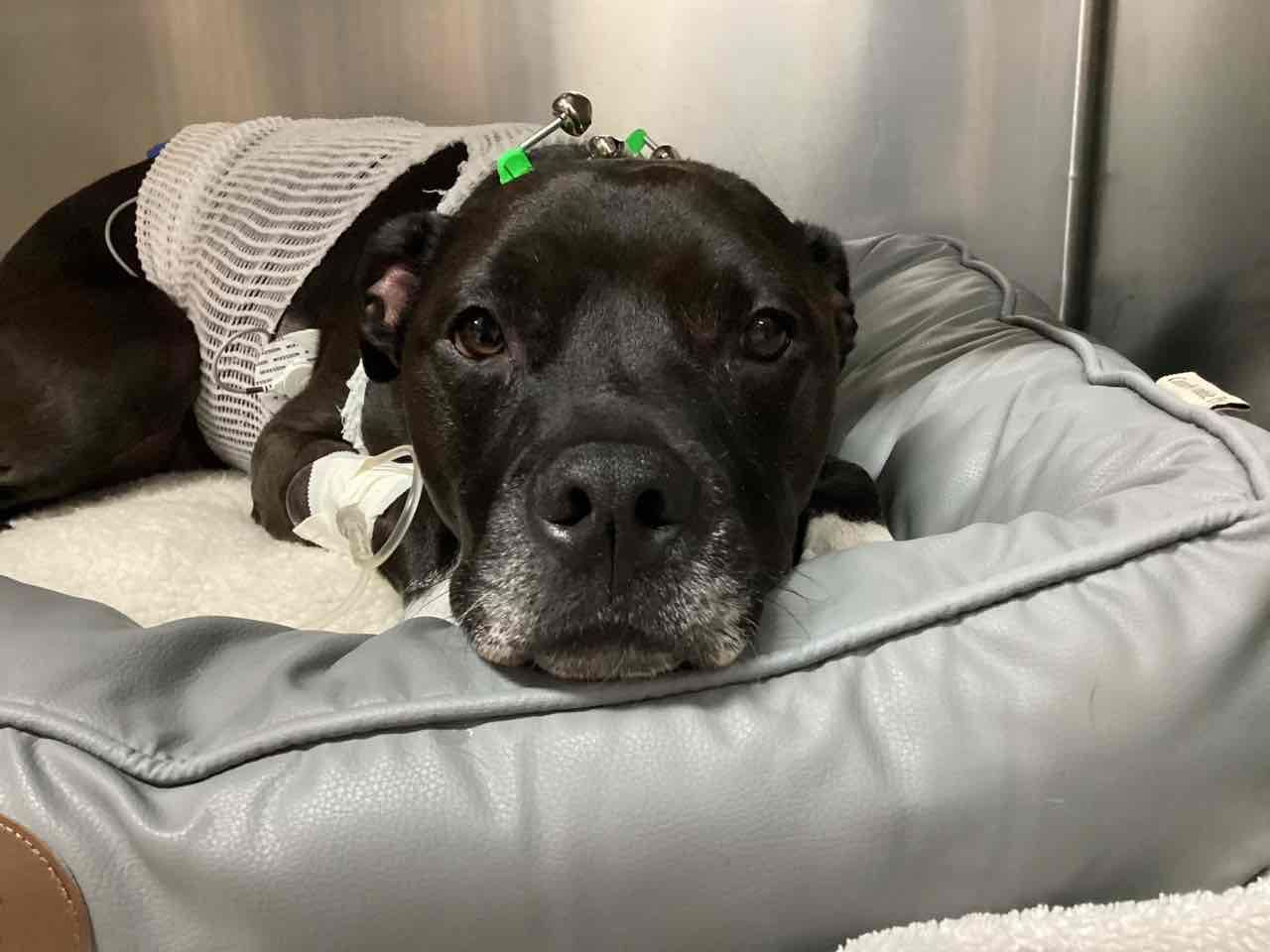
According to DoveLewis, Nelly reportedly consumed 30 to 40 tablets of Lamictal (lamotrigine), along with 5 to 10 tablets of mirtazapine, and 5 to 10 tablets of Auvelity, a combination drug containing dextromethorphan and bupropion. These amounts translate to approximately 201 mg/kg of lamotrigine, 7.5 mg/kg of mirtazapine, and 75 mg/kg combined for dextromethorphan and bupropion.1 These doses, the veterinary hospital said, “far exceed” levels associated with seizures, ventricular arrhythmias, and sudden death in canines. Nelly’s family was not home when she ingested the medications, said DoveLewis.
“Thanks to rapid, coordinated critical care, Nelly pulled through a life-threatening situation that few dogs survive. Today, she’s home with her family, and her owners are profoundly grateful to have their beloved dog back safe and sound,” DoveLewis said in a news release.1
Lamotrigine is an anticonvulsant medication used to treat seizures and bipolar disorder, stabilizing mood swings and preventing depressive and manic episodes in humans. Mirtazapine is an antidepressant often used in veterinary medicine to treat weight loss and anorexia primarily in cats.2 Auvelity is also used to treat major depressive disorder in people. In animals, including dogs, ingestion of antidepressants, like the ones Nelly ate, can lead to lethargy, ataxia, agitation, shaking, seizures, tachycardia or bradycardia, vocalization, and serotonin syndrome. The latter is characterized by 3 or more of the following signs in animals: altered mental status, agitation, nervousness, myoclonus, hyperreflexia, tremors, diarrhea, incoordination, cardiovascular changes, and fever.3
According to DoveLewis, Nelly was taken to the hospital within hours of ingestion. Shortly after arriving, Nelly went into cardiopulmonary arrest, the veterinary center said. “The team immediately initiated CPR following RECOVER guidelines, including chest compressions and airway management,” said DoveLewis in a news release.
Related: RECOVER Initiative announces updates to CPR guidelines
During the resuscitation, Nelly developed ventricular fibrillation, which required defibrillation. After 17 minutes of continuous resuscitation, the team achieved return of spontaneous circulation (ROSC). According to DoveLewis, the length of Nelly’s cardiac arrest left her prognosis uncertain and with a high risk of further cardiac arrest or lasting neurological injury.
With Nelly remaining “critically ill” and facing risk of deterioration, the team administered lipid emulsion therapy after ROSC to isolate lipophilic toxins and decrease ongoing toxicity. The hospital noted that the team withheld further doses of the therapy to prevent it from interfering with other medications.
During her recovery, Nelly experienced recurrent ventricular arrhythmias, so the team started a lidocaine constant rate infusion, which was later stopped once her rhythm stabilized. She also showed a significant rise in liver enzymes, likely related to an ischemic event from prolonged CPR, and was started on Denamarin, a liver health supplement containing S-Adenosylmethionine and Silybin.4
Nelly also received supportive care that included antiemetics and gastrointestinal protectants, with the team monitoring her neurologic status, tremors, and seizure activity. According to DoveLewis, neuroprotective measures, like permissive hypothermia, were also used during the period of highest risk following arrest. Within 48 hours, her heart rhythm steadied, her neurologic function remained intact, and she gradually moved out of intensive monitoring.1
Video courtesy of DoveLewis Veterinary Emergency and Specialty Hospital.
“As she regained strength, Nelly’s personality returned quickly. Her appetite came back, her tail wagged again, and she began seeking out the people who had worked so hard to save her—leaning in for pets and showering the team with kisses,” said DoveLewis.1 “Her bright, affectionate behavior was a powerful reminder of how far she had come.”
“Nelly’s case was both medically complex and emotionally intense,” said Julia Supino, VMD, a veterinarian at DoveLewis. “Seventeen minutes of CPR is a long time, and the fact that she came back from that is nothing short of remarkable. Seeing her return to her sweet, loving personality so quickly is the best outcome we could hope for.”
References
- Dog Survives 17 Minutes of CPR After Severe Polypharmacy Ingestion. News release. DoveLewis Veterinary Emergency and Specialty Hospital. January 22, 2026.
- Forsythe L, Gollakner R. Mirtazapine. VCA Animal Hospitals. Accessed January 27, 2026. https://vcahospitals.com/know-your-pet/mirtazapine
- Hayes C. Toxicoses in Animals From Human Antidepressants, Anxiolytics, and Sleep Aids. May 2025. Accessed January 27, 2026. https://www.merckvetmanual.com/toxicology/toxicoses-from-human-antidepressants-anxiolytics-and-sleep-aids/toxicoses-in-animals-from-human-antidepressants-anxiolytics-and-sleep-aids
- Denamarin Liver Health Supplement. Nutramax Laboratories. Accessed January 27, 2026. https://www.denamarin.com/